 Seminole Siding
 Board & Batten Siding Built for Treasure Island's Coastal Exposure
Treasure Island sits about as close to the Gulf as a Pinellas County neighborhood can get, and that proximity shapes every exterior decision homeowners make here. Siding on this barrier island deals with a tougher combination of stressors than siding a few miles inland: near-constant salt-laden air, wind-driven rain that gets pushed sideways during summer storms, intense UV exposure almost year-round, and the real possibility of hurricane-force wind loads. Board and batten siding — with its clean vertical lines and strong shadow reveal — is a popular look for coastal and beach-community homes, but the material behind that look matters more here than almost anywhere else in the county. We're a Seminole-based crew that works this stretch of coast regularly, and this page covers what board and batten siding needs to hold up on Treasure Island, what a correct installation actually involves, and how we approach the job.
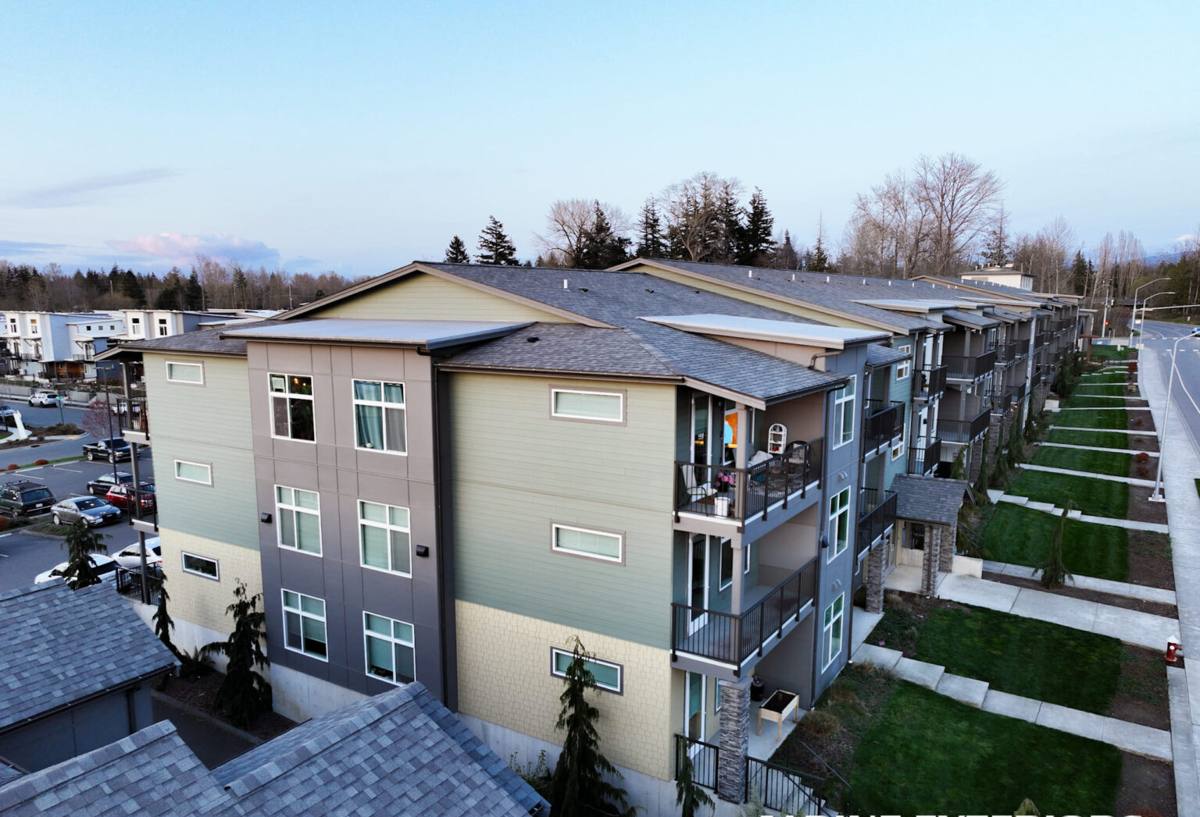
What Board & Batten Siding Is
Board and batten is a siding pattern, not a specific material — it's built from wide vertical panels or boards with narrower strips (battens) covering the seams between them. The result is a bold, evenly spaced vertical line that reads as more modern or more traditional coastal cottage depending on trim details and color choice. It's a common choice for accent walls, gable ends, and full elevations on homes going for a beach-town or farmhouse-coastal look, and it pairs well with the low-slung, breezy architecture common on Treasure Island and the surrounding barrier islands.
The pattern itself doesn't determine durability — the material underneath it does. Board and batten can be built from vinyl, engineered wood, or fiber cement, and on a saltwater-adjacent island, that material choice determines whether the siding is still doing its job in fifteen years or needs replacing in five.
What Salt Air, UV, and Wind-Driven Rain Actually Do to Siding
It's worth being specific about the mechanisms at work, because they're different from what siding faces in a landlocked climate:
Salt Air
Airborne salt is corrosive and hygroscopic — it pulls moisture out of the air and holds it against whatever surface it lands on. On siding, that means fasteners, trim, and any exposed edge stay damp longer than they would a few miles inland, which accelerates corrosion of poor-quality fasteners and speeds up finish breakdown.
UV Exposure
Florida's sun is intense for most of the year, and a west- or south-facing wall on Treasure Island takes a real beating. UV breaks down pigment and resin binders in paint and coatings, which is why field-applied paint on siding here fades and chalks noticeably faster than the same paint would in a milder climate.
Wind-Driven Rain
During tropical systems and even routine summer thunderstorms, rain doesn't just fall — it drives horizontally into wall assemblies. Siding, flashing, and water-resistive barriers all have to work together to keep that moisture out of the wall cavity, not just off the surface. A board and batten pattern has more vertical seams than lap siding, which makes correct flashing and fastening at those seams especially important in this kind of weather.
Why We Install Board & Batten Only in James Hardie Fiber Cement
We install James Hardie fiber cement exclusively, and board and batten is a pattern where that standard matters even more than usual. Vinyl board and batten can warp, buckle, or crack in high heat and high wind, and its color is baked into the material itself with no realistic way to refresh it once it fades. Engineered wood and primed wood battens depend on an intact factory coating to keep moisture out — any breach at a cut edge, fastener hole, or seam gives water a path into the substrate, and on an island with this much ambient humidity and salt exposure, that kind of vulnerability shows up faster than it would elsewhere.
James Hardie's fiber cement board and batten panels are non-combustible, dimensionally stable across Florida's heat and humidity swings, and engineered specifically for high-moisture climates through the HZ5 product line. The factory-applied ColorPlus finish is baked on rather than brushed on, which gives it far better UV and fade resistance than field-applied paint — a meaningful advantage on a wall that faces direct Gulf-reflected sun most of the day. It's also backed by a strong transferable warranty when installed to Hardie's specifications, which is the part homeowners often overlook: the warranty protects the material, but only correct installation protects the wall behind it.
| Factor | James Hardie Fiber Cement | Vinyl / Engineered Wood |
|---|---|---|
| Combustibility | Non-combustible | Combustible (vinyl melts/deforms; wood-based products burn) |
| UV/color stability | Factory ColorPlus finish, engineered for fade resistance | Field paint fades faster; vinyl color can't be refreshed once faded |
| Moisture behavior | Engineered for high-humidity climates (HZ5) | Vulnerable at cut edges, seams, fastener penetrations |
| Wind performance | Rigid, holds fastener line in high wind when installed to spec | Vinyl can flex, crack, or blow off in sustained high wind |
| Warranty structure | Strong transferable warranty tied to correct installation | Varies widely; often prorated or limited |
What a Correct Board & Batten Installation Involves
The vertical pattern looks simple, but it's less forgiving of shortcuts than horizontal lap siding, especially on a coastal wall. A few things we treat as non-negotiable:
Water-Resistive Barrier and Flashing First
Before any panel goes up, the wall needs a continuous, correctly lapped water-resistive barrier and properly integrated flashing at every window, door, and penetration. Board and batten's vertical battens create more seam-to-seam transitions than lap siding, so getting the drainage plane right underneath is what actually keeps wind-driven rain out of the wall.
Fastener Spec and Placement
Fastener type, length, and spacing all need to match Hardie's published specifications for the wind zone Treasure Island falls in. Under-fastening or using the wrong fastener type is one of the most common causes of siding failure in coastal wind events, and it's invisible once the job is finished — which is exactly why it matters who's doing the work.
Expansion Gaps and Caulking
Fiber cement needs proper gaps at panel ends and battens to accommodate slight material movement, sealed with a high-quality, paintable sealant rated for exterior use. Skipping this is a common shortcut that leads to cracked caulk lines and moisture intrusion within a couple of years.
Cut-Edge Sealing
Every field cut exposes raw fiber cement that needs to be sealed per manufacturer specification. On a salt-air site, an unsealed cut edge is a weak point that starts absorbing moisture from day one.
Our Process for Treasure Island Projects
- On-site assessment — we look at wall orientation, existing substrate condition, and how much exposure each elevation actually gets, since a Gulf-facing wall and a sheltered side wall don't weather the same.
- Product and layout plan — panel width, batten spacing, and color are set before ordering, along with a fastening and flashing plan matched to the wind zone.
- Tear-off and substrate check — old siding comes off and the sheathing underneath gets inspected for any moisture damage before we close the wall back up.
- Barrier, flashing, and installation — water-resistive barrier, flashing, and panels go on to spec, with attention to every seam and penetration.
- Final detailing — trim, caulking, and touch-up work close out the job, followed by a walkthrough.
What Board & Batten Replacement Typically Costs
Board and batten in fiber cement generally runs a bit higher than standard lap siding per square foot, because of the batten material and additional labor for the vertical reveal. Exact numbers depend on the scope of your project, but the main cost drivers are consistent across most Treasure Island homes:
| Cost Factor | Why It Matters Here |
|---|---|
| Wall square footage & elevation count | More surface area and more corners/trim transitions add labor |
| Substrate condition | Salt-air homes sometimes need sheathing repair before new siding goes on |
| Window and door count | Each opening needs correct flashing integration, which adds labor |
| Wind zone fastening requirements | Coastal wind zones often require tighter fastener spacing than inland specs |
| Color and finish selection | Factory ColorPlus finishes have different pricing tiers than primed-for-paint panels |
What to Check Before Hiring Anyone for This Job
- Do they install to the manufacturer's published fastening and flashing specification for your wind zone, not just "standard" practice?
- Will they inspect and address substrate condition before closing the wall, not just install over an unknown surface?
- Do they carry proper licensing and insurance for exterior work in Pinellas County?
- Can they explain how their flashing and water-resistive barrier detailing works at seams and openings?
- Do they regularly work coastal properties, or is this an unfamiliar exposure level for them?
Why Local Experience on This Coast Matters
A crew that mostly works inland neighborhoods can install siding correctly by the book and still miss what changes on a barrier island — how much faster salt air corrodes an under-spec fastener, how a Gulf-facing wall needs different attention than a sheltered one, or how the local wind zone affects fastening requirements. We work Seminole and the surrounding Pinellas County coastline regularly, including Treasure Island, so those aren't unfamiliar variables to plan around — they're the baseline we already build into every board and batten job here.
If you're weighing board and batten siding for a Treasure Island home, we're happy to take a look, walk you through what your specific walls need, and give you a straightforward, no-pressure estimate. There's a form below to get that conversation started.