 Seminole Siding
 Why Treasure Island's Location Is Hard on Siding
Treasure Island sits on a barrier island in Pinellas County, with Gulf of Mexico exposure on one side and the Intracoastal Waterway on the other. That location is part of what makes it a great place to live, but it's also a tough environment for the exterior of a house. Salt aerosol drifts inland constantly, even on calm days, and it settles on siding, trim, and fasteners. Add in intense year-round Florida UV, wind-driven rain during storms, and the higher sustained wind loads that come with hurricane season, and you have four different stresses working on your siding at the same time, not just one.
Most siding problems we see on the island aren't sudden. They build up slowly — a fastener that starts corroding, a paint film that chalks and fades faster than it should, a lap joint that lets a little water behind the cladding during every wind-driven rain event until the sheathing underneath is compromised. None of that shows up on day one. It shows up in year five or seven, and by then the fix is bigger than it needed to be.
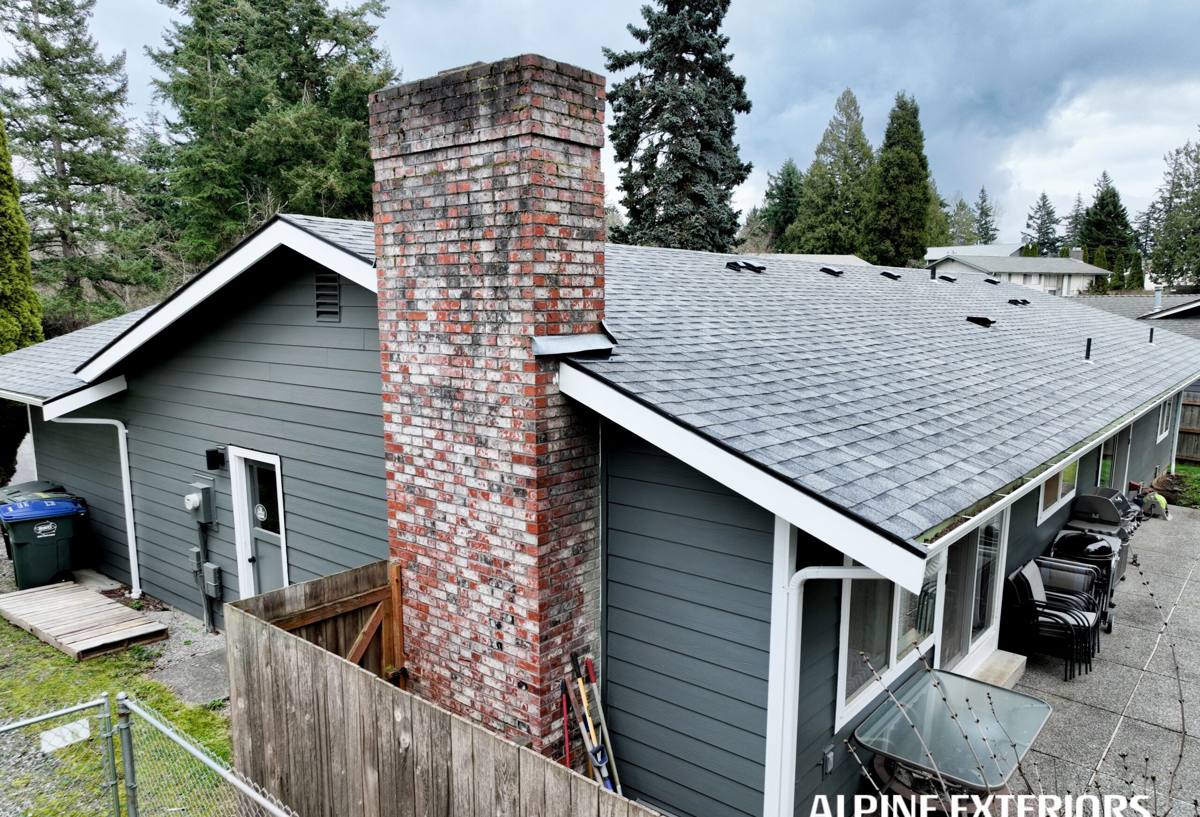
What Treasure Island Homes Actually Need From Their Siding
Given that environment, the siding on an island home has a short but demanding list of real requirements:
- Resistance to moisture absorption and rot, since humidity and wind-driven rain are a near-constant condition, not an occasional one
- A finish that holds its color under sustained, intense UV rather than chalking or fading within a few years
- Hardware and fastening rated for coastal wind pressures, not just a standard suburban wind zone
- A material that doesn't feed pests or degrade from salt exposure at the fastener and trim level
- A warranty structure that actually accounts for coastal use, not one written around inland conditions
This is the list we measure every siding product against before it goes on a wall — and it's the reason our answer, on every job we quote in Treasure Island, is the same.
How the Common Options Actually Compare
| Factor | Fiber Cement (James Hardie) | Vinyl | Wood / Primed Spruce |
|---|---|---|---|
| Moisture & rot resistance | Engineered cement-fiber core, doesn't rot | Won't rot, but can warp/deform in heat | Absorbs moisture, needs ongoing sealing |
| UV / color stability | Factory-baked finish resists fading | Can fade and become brittle over time | Field paint fades and needs recoating |
| Wind performance | Rated for high wind-load installation | Lower impact and wind resistance | Depends heavily on fastening and upkeep |
| Combustibility | Non-combustible core | Combustible | Combustible |
| Ongoing maintenance | Low — occasional rinse and caulk check | Low, but limited repair options if damaged | Higher — repainting and sealing cycles |
Why We Install Only James Hardie Fiber Cement
Seminole Siding Company does not install vinyl, LP SmartSide, Cemplank, Allura, or primed wood siding. We install James Hardie fiber cement, exclusively. That's not a marketing preference — it's a standard we hold because of what we've seen hold up on the Pinellas County coastline versus what struggles.
The HZ5 Product Line for Humid, Coastal Climates
James Hardie engineers its siding by climate zone, and Florida falls into the HZ5 category — built specifically for high-humidity, moisture-heavy regions. That matters on Treasure Island more than almost anywhere else in the county, because the combination of salt air and wind-driven rain is exactly the condition HZ5 formulations are designed around.
ColorPlus Factory Finish
Most of what shortens the life of a paint job on the coast isn't the siding material — it's the finish. Field-applied paint on any substrate has to fight UV and salt exposure from day one, and it loses that fight faster near the water. Hardie's ColorPlus finish is baked on in a controlled factory environment and backed by its own finish warranty, which is a meaningfully different proposition than touch-up paint on a ladder.
Fire-Resistant, Non-Combustible Core
Fiber cement doesn't burn. On an island with tightly spaced lots and homes close to neighbors, that's a real, practical safety difference — not a checkbox feature.
What a Correct Installation Actually Involves
Fiber cement is only as good as its installation. Most of the failures we get called out to inspect on existing homes trace back to installation shortcuts, not the product itself. On a barrier island, those shortcuts fail faster and worse than they would inland.
Flashing and Water Management
Every window, door, and penetration needs proper flashing and correctly lapped house wrap underneath the siding — installed so water is directed out and down, never trapped behind the panel. Wind-driven rain doesn't fall straight down; it gets pushed sideways and upward into laps and joints that aren't sealed correctly. This is the single most common point of failure we find.
Fastening for Wind Uplift
Manufacturer fastening schedules specify nail type, spacing, and embedment depth for a reason — those numbers change based on wind exposure. A fastening pattern that's fine in a low-wind inland zone is not adequate on an exposed Gulf-facing or bay-facing elevation. We follow Hardie's installation instructions and the applicable Florida Building Code wind requirements for the site, not a generic pattern used everywhere.
Joints, Gaps, and Sealant
Fiber cement needs the gaps, clearances, and sealant points specified by the manufacturer — from the ground, from roof lines, from decks — so the material can handle moisture movement without trapping water against the substrate. Skipping these clearances is invisible on installation day and shows up as a moisture problem years later.
Our Process, Start to Finish
- On-site assessment and measurement, including a look at your current sheathing and any moisture or rot already present
- Removal of existing siding and inspection of the wall assembly underneath before anything new goes on
- Repair of any compromised sheathing found during removal — this gets flagged and discussed with you before we proceed
- Installation of house wrap and flashing at every penetration, following manufacturer specifications
- Installation of James Hardie panels or planks per the fastening schedule appropriate to your exposure
- Trim, joint treatment, and sealant work
- Final walk-through so you can see the finished work before we consider the job done
What Drives the Cost of a Job Like This
| Cost Factor | Why It Matters |
|---|---|
| Home size and elevation complexity | More wall area and more corners, dormers, or trim detail means more labor and material |
| Condition of existing sheathing | Rot or moisture damage found during tear-off adds repair work before new siding can go on |
| Panel vs. plank profile | HardiePanel and HardiePlank have different material and install labor requirements |
| Trim and accessory scope | Fascia, soffit, and trim work done alongside siding affects total project size |
| Access on the lot | Canal-front or tightly set lots can affect staging and labor time |
We don't quote a job over the phone. Every estimate starts with an in-person look at your home, because the factors above vary house to house even within the same neighborhood.
Why It Matters to Hire a Crew That Already Works This Island
A contractor who regularly works Treasure Island already knows the wind exposure differences between a Gulf-facing wall and a canal-facing one, already understands the permitting expectations for Pinellas County coastal work, and already builds salt-air realities — like extra attention to fastener corrosion resistance and trim sealing — into the job by default rather than as an afterthought. That familiarity shows up in fewer surprises, fewer callbacks, and a job that's built for the conditions it will actually face, not generic conditions.
Living With Fiber Cement Siding on the Island
One of the real advantages of a correctly installed Hardie system here is how little ongoing attention it needs compared to wood or older siding systems. That said, a few simple habits go a long way in this environment:
- Rinse salt residue off the siding periodically with a garden hose, especially on Gulf-facing walls
- Do a visual check of caulking and sealant joints once a year, particularly around windows and doors
- Address any impact chips or gouges promptly rather than letting moisture get behind an exposed edge
- Keep sprinklers and irrigation from constantly soaking the base of the siding
- Avoid pressure-washing directly at high pressure against joints and edges
None of this is heavy maintenance — it's the kind of upkeep that takes an hour a couple of times a year and keeps the system performing the way it's designed to.
If your Treasure Island home needs new siding or you're evaluating whether your current siding is still doing its job, we're happy to take a look and give you a straightforward, no-pressure estimate. There's no obligation — just an honest read on where things stand and what it would take to do it right.